Category: economics & politics

  • A visit from Nikkei Japan

    A visit from Nikkei Japan

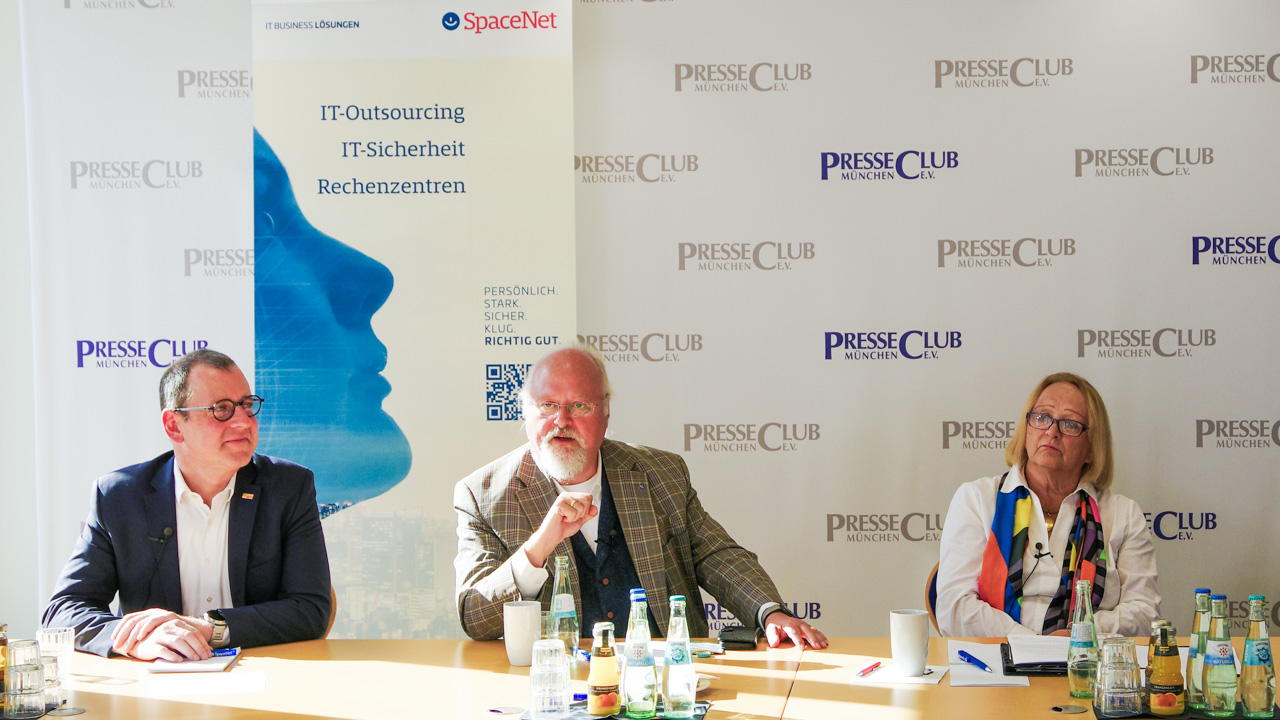
    PR international: In June, a correspondent from the Editorial Headquarters Europe of the Japanese newspaper Nikkei visited our PR agency in Munich. In addition to general assessments of economic development in Germany and Europe, various specialist topics from our agency customers were also on the agenda. The journalist was very interested in the new media technology 5G Broadcast, which enables efficient transmission of media content to smartphones and could significantly improve the “Cell Broadcast” warning system established in Germany.

    The international business journalist was also very interested in the topic of intellectual property, as the statistics on patent applications in different regions enable a detailed analysis of the respective innovative strength in different fields of technology. The number of registrations in Germany fell by almost five percent last year, but German innovations still hold second place behind the USA and ahead of China. In this context, WORDUP Managing Director Achim von Michel also referred to the industry initiative “Industry Patent Quality Charter”, which calls for qualitatively better examinations by the patent offices.

    The Japanese newspaper Nikkei (Nihon Keizai Shimbun) appears with a circulation of three million copies. The Nikkei is particularly popular with high earners and university graduates. In terms of both the average income of subscribers and the proportion of academics, it ranks first in Japan. Since 1971, the newspaper has also published the world-renowned Nikkei Index, which is calculated from the prices of selected companies on the Tokyo Stock Exchange.

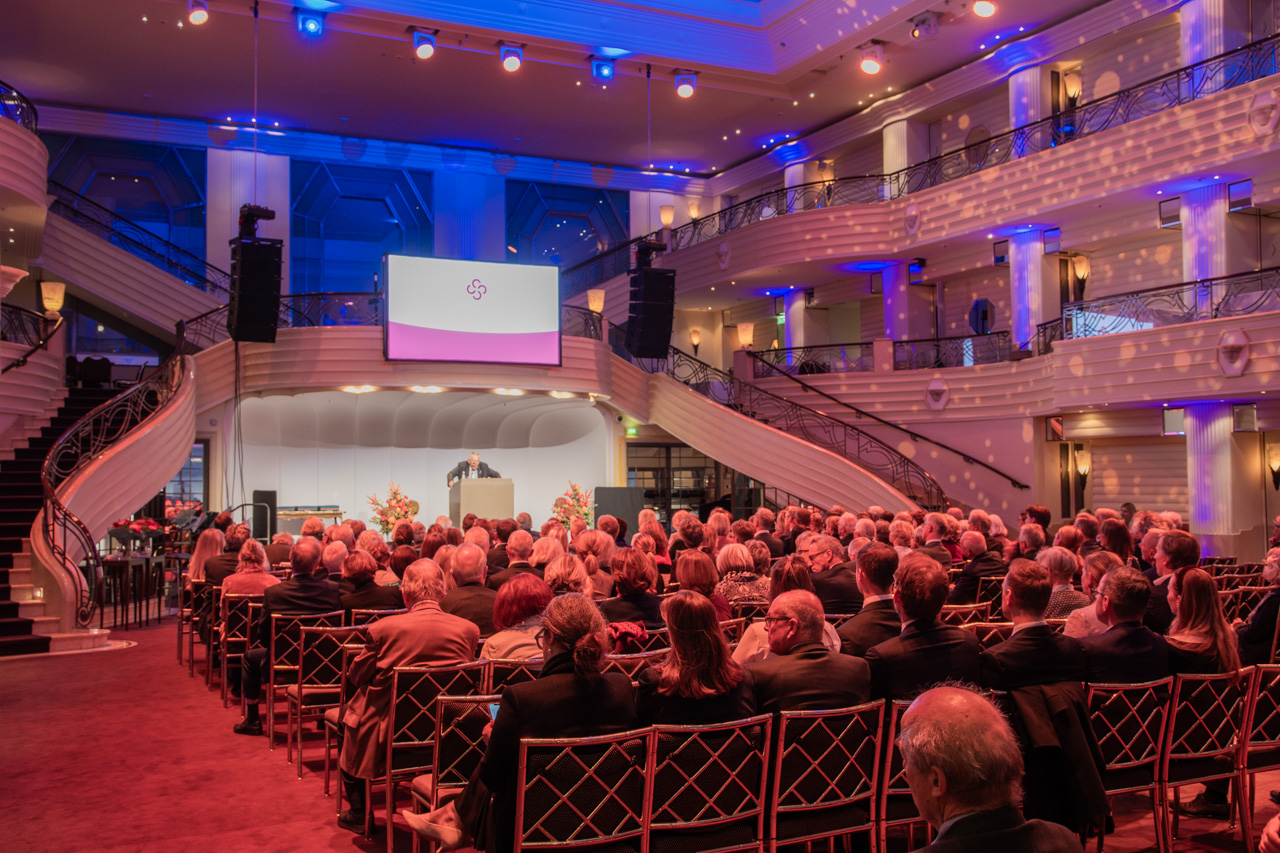
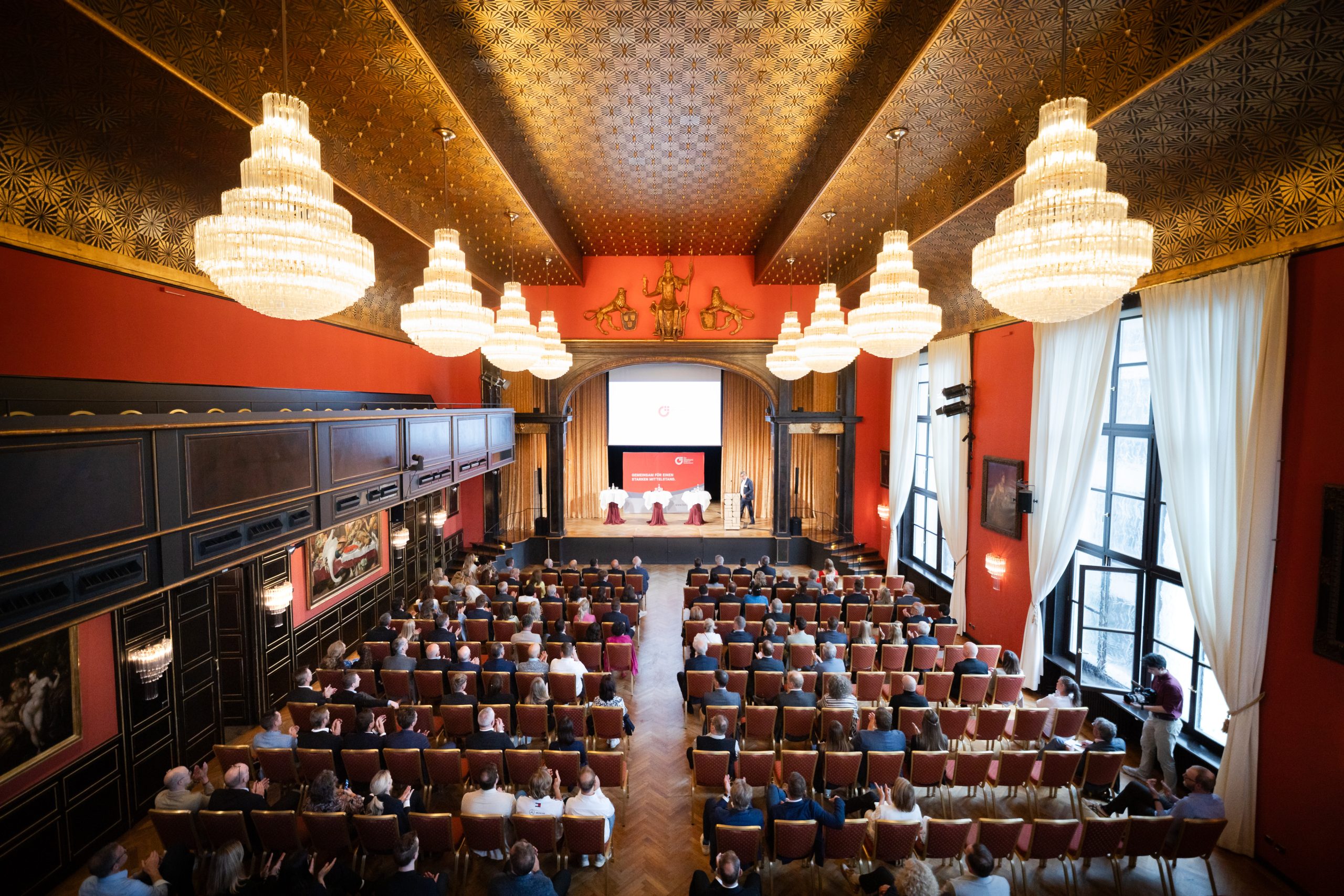
    The exchange of information was rounded off by a visit to the Steinerne Saal of the Bavarian Parliament, where the Franco-German business association Clubéco met with renowned speakers such as the former Federal Finance Minister Dr. Theo Weigel celebrated the 60th anniversary of the Elysée Treaty.

  • Measures against the multi-crisis

    Measures against the multi-crisis

    The European economy is in one of its worst crises since the end of World War II. Exploding energy costs, record inflation, disrupted supply chains, labour and skills shortages and a possible Corona winter wave – the list of current challenges for businesses is long.

    Our long-standing client Anaqua, the world’s leading provider of innovation and intellectual property management technologies, recommends that companies invest in their future viability now, despite and precisely because of this multiple crisis. Because times of crisis always offer opportunities. Companies that now position themselves in the best possible way for the future will emerge stronger from the multi-crisis – that is Anaqua’s prognosis. How this can be achieved is explained by Jan Witt with five concrete practical tips in an article in manage it.

    The European Unitary Patent (EEP), which is finally to be launched in April 2023 after many years of preparation, represents a milestone for innovative companies and inventors. In a recent interview in globalmagazin, Witt explains why the unitary patent is a great political success, why Europe could become a global pioneer in climate protection, sustainability and innovation, and what the current status of the EEP is.

    Acts for a sustainable supply chain

    Next year, politics will even go one step further: in Germany, the Supply Chain Act (LkSG) will come into force in January 2023. This will oblige companies to protect and uphold human rights within their global supply chains. It requires compliance with ESG (Environmental, Social, Governance) criteria, which promote sustainable behaviour. Initially, only companies with 3,000 or more employees are affected, but the law is soon to receive a stricter European counterpart.

    For many, the administrative burden becomes enormous, because relevant data for checking the supply chain are often only insufficiently available. In response, our customer SHS Viveon AG introduced its new product “Supply Chain Compliance” (SCC). With the new tool, companies can check their supply chain using three core functions: Sanctions list check, digital ESG questionnaire and score-based assessment of ESG compliance.

    The extensive media response shows the enormous relevance of focus on sustainability topics for the press.

    WORDUP has been responsible for Anaqua’s entire press relations in Germany since 2016 and for SHS Viveon AG in the DACH region since 2021. With its growing contacts to journalists and multipliers in the business world, the Munich PR agency has been supporting its clients for years in successfully communicating their expertise in IP and innovations in the media.

  • Communication for better climate protection

    Communication for better climate protection

    Negative records were broken all over the place: persistent droughts, burning forests, fierce storms and flooded cities. The year 2022 was not only marked by extreme weather events, it was also the warmest year since records began. The climate crisis can no longer be ignored, which significantly increases the pressure on politics and business. WORDUP supports its clients in communicating their strategies for more sustainable solutions.

    Incentive systems for the reduction of CO2 emissions

    By reducing their CO2 emissions, companies can make a significant contribution to limiting the further rise in global temperatures. However, they can hardly achieve this goal through their own savings. A large part of their CO2 emissions consists of so-called Scope 3 emissions. These arise from the production, transport and use of products and are caused or influenced by supply chains. One solution strategy is therefore to take a closer look at the selection of suppliers.

    Our client TWS Partners AG – market leader in applied game theory and behavioural economics – explains which criteria can be used to make a “green” choice. Qualitative features, such as emissions made transparent or a commitment to climate neutrality, already put the focus on sustainability. If such criteria are not met, a monetary bonus/malus system can help. Here, climate-friendly suppliers are given preference over climate-damaging competitors according to an internal assessment of the CO2 price. With the help of behavioural economic approaches, companies can thus not only determine their “right” internal CO2 price, but ultimately also optimise the CO2 balance of their supply chain.

    The holistic approach of the game theory and behavioural economics experts at TWS Partners has already been published in Procure Swiss magazine, a Swiss trade magazine focusing on purchasing and logistics. The article by Sebastian Moritz, Managing Partner at TWS Partners, and Maximilian Zott, Project Manager at TWS Partners, can be found here.

    Another article by the two experts on this topic can also be found on r.energy, the first medium that explicitly addresses users in operational practice on the topic of “renewable energies”.

  • Mask production and lying dormant potential: How incentives can help

    Mask production and lying dormant potential: How incentives can help

    A look at pedestrian zones, cafés, bars and restaurants in the summer of 2022 could lead one to believe that the coronavirus has long since disappeared. In large parts of Germany, life is once again as it was before the pandemic. Unfortunately, this also applies to politics, which has not drawn the right conclusions from the experience of 2020 and is just as ill-prepared for future pandemics as it the case with Corona.

    Specifically, the issue is the missed opportunity for policymakers to ensure the preservation of businesses that produce medical equipment. It is true that Germany reacted quickly to the shortage of protective masks after the start of the Corona pandemic and created its own production lines. But in the meantime, many of these companies that produced masks are either insolvent or have converted their production again. How can we ensure that we will be able to act quickly in the future when it comes to the production of medical protective equipment?

    Incentives and auctions could help to reconcile Germany’s national interests with the companies’ profit motives. After all, it would be quite sufficient to have just a handful of companies in a position to spontaneously switch their production if the worst came to the worst. This could be achieved by subsidized production of masks, which would have to be purchased at auction in advance. In return, companies would undertake to invest preemptively in the necessary machinery and staff to be able to respond and deliver directly in the event of a crisis.

    How this game-theoretical model works in detail is explained by Dr. Sebastian Moritz, Managing Partner of our client, the consultancy TWS Partners, in the article linked here in the Tagesspiegel Background in the Health & E-Health section.

    With its topic section “Health & E-Health”, Tagesspiegel Background offers an innovative range of information and expert briefing on health policy as well as on what is probably the biggest topic of the future in this area, e-health. TWS Partners specializes in making game theory useful for business decisions. Since the end of 2018, WORDUP has been responsible for all press relations for TWS Partners in Germany.

  • Using game theory to optimize supply chains in a climate-conscious way.

    Using game theory to optimize supply chains in a climate-conscious way.

    On the way to achieving climate neutrality, companies must also make a decisive contribution by drastically reducing their CO2 emissions. Government regulations, consumers and investors are already exerting a great deal of pressure on business in this regard. One starting point for really improving the climate balance and not just greenwashing is emissions along the entire supply chain. This is where the greatest potential for savings exists, since most greenhouse gases are released during the manufacture, transport and use of products.

    In a feature article in Procure Swiss magazine, our client TWS Partners explains how companies can check their suppliers for their carbon footprint and, in a second step, use targeted economic incentives to encourage them to do more to protect the climate and promote sustainability. To this end, the game theory and behavioral economics experts at TWS Partners have developed a holistic approach in which, for example, internal CO2 prices are offset against the suppliers’ offers. The goal is climate-conscious optimization of the supply chain – even if this initially costs companies significantly more money in the vast majority of cases.

    Procure Swiss Magazin is a Swiss trade magazine focusing on purchasing and logistics and is published by the Professional Association for Purchasing and Supply Management. The professional article by Dr. Sebastian Moritz and Dr. Maximilian Zott can be found here.

  • Vaccination incentives: suggestions for good public policy marketing

    Vaccination incentives: suggestions for good public policy marketing

    Another year of partially massive Corona restrictions for the economy and personal life is coming to an end.  The frustration is now palpable everywhere, as we have been in what feels like an endless loop for almost two years. One of the most effective measures against the Corona pandemic clearly is the vaccination, all serious experts agree on that. But the German-speaking countries, and especially the South, are rather reluctant when it comes to their own vaccination. Our experts from the fields of communication, behavioral economics and virology have concrete approaches to solving this problem.

    WORDUP PR CEO Achim von Michel recently referred to the positive example set by Vienna in an interview with the marketing trade magazine ONEtoONE. Here, all unvaccinated people are invited by official letter to their fixed vaccination appointment, similar to the process in Spain and Portugal. So instead of making a more or less “wishy-washy” “vaccination offer,” the Viennese receive a clear invitation with a specific date. In addition, Austria has had a digital vaccination register since the beginning of the year. Involving the military, in Italy and Portugal for example through highly decorated generals at the head of crisis teams, also seems to have contributed a lot to the positive image of vaccination campaigns, so much so that Germany is now following suit: Major General Carsten Breuer is taking on the task in this country.

    According to Marcus Schreiber, CEO of our client TWS Partners, the European market leader for game theory and behavioral economics based in Munich, incentive strategies in particular are a suitable option to further increase the vaccination rate noticeably in Germany as well. His trenchant statements on what is happening in intensive care units have made big waves and have been picked up by numerous leading German media (SZ, WELT, RND, FR, Münchner Merkur, FOCUS and ZDF Morgenmagazin).

    Even before the start of the fourth wave, Schreiber had become actively involved in the vaccination discussion, giving a double interview with virologist Melanie Brinkmann in SPIEGEL (40/2021) at the beginning of October. The solutions discussed in the interview are still highly relevant today. The fact that the number of vaccinations must increase is also confirmed by Professor Dr. Ulrike Protzer, virologist and member of Markus Söder’s expert council. Already at the beginning of the pandemic in spring 2020, she had pointed out the dangers of Sars-Cov-2 for the economy in a Zoom interview with Achim von Michel. Professor Monika Schnitzer, a member of the German government’s Council of Economic Experts, also faced specific questions from SMEs in the Zoom interview in 2020.

    Needless to say, all employees at WORDUP PR are vaccinated – for their own health and for the protection of the general public!

  • How the pandemic challenges SMEs

    How the pandemic challenges SMEs

    Now that the epidemic emergency appears to be ending soon, the political and economic debate on the subject of pandemics is becoming increasingly relevant. Especially small and medium-sized companies must be able to better arm themselves against possible threats and learn how to react in extreme situations.

    Our client TWS Partners addresses this issue from a game theory perspective, evaluating the SME sector and its response to external shocks in the latest issue of inside corporates | Deutscher Mittelstand. Europe’s leading expert in the economic application of game theory not only lists the strengths and weaknesses of medium-sized companies. The call for a long-term strategy is also given special emphasis.

    The “Deutscher Mittelstand” campaign appears in the combined circulation with DIE WELT, reaching a readership of 508,000. The full issue and cover story of our client can be found HERE.

  • Fulminant PR start for SHS Viveon

    Fulminant PR start for SHS Viveon

    Since the beginning of the year, the Munich PR agency WORDUP has been advising the listed SHS Viveon AG (listed in m:access) from Freiham near Munich. The press work for SHS Viveon has already achieved impressive results shortly after its start: The IT company’s expertise in risk and credit management has already been picked up by Forbes magazine, GI geldinstitute, CreditManager and EAS magazine. The specialist audience and reach thus further contributed to the software provider’s brand awareness.  

    SHS Viveon AG has set itself the task of decisively simplifying the management of financial and regulatory risks of companies. The SHS Viveon software platform enables risk, credit and compliance management teams to automatically identify, assess and hedge risks in a flexible, digital process. It simplifies access to all relevant data from any system, automates processes, and improves analysis and simulation, enabling better business decisions. SHS Viveon was founded in 1991 and has been listed in the m:access segment of the Munich Stock Exchange since 1999. 

    WORDUP PR looks back on a long experience in advising companies from the fintech, banking, and financial services scene – including the ETF startup yavalu, the digital payment solution payqonic, and Munich-based Cap Flow AG. An overview of SHS Viveon AG’s latest press activities can be found here.

  • Patent protection for vaccines: intellectual property rights remain important

    Patent protection for vaccines: intellectual property rights remain important

    In the current debate on the removal of patent protection for Corona vaccines, proponents of releasing the vaccine patents are arguing with opponents who want to maintain the patent protection. This is an exciting debate that WORDUP PR is happy to follow.

    Jan Witt, from IP software provider and our client ANAQUA, commented on this in the magazine The European and explained why, in his view, a softening of patent protection would be wrong and would hinder future innovations, especially in the medical sector. “Effective patent protection ensures that the basis for investment in medical innovations is created,” Witt said. This is because medical innovations face a lengthy and costly development and testing process before their final market approval. Removing patent protection would therefore ensure that companies are no longer motivated to invest in research into Corona vaccines.

    Another important point is that patents promote knowledge sharing and transparency. The fact that patent applications have to be published promptly means that the latest research findings are quickly disseminated within the industry, says Witt. This enables other researchers to build on these findings and advance research in the same field. Without patents, many research results would instead be kept secret for as long as possible so that competitors could not simply copy the know-how, Witt says. Instead of abandoning patent protection, governments would be better off using other means to help countries produce more vaccines quickly, Witt concludes.

    The topic of patents and intellectual property has been a focus of WORDUP PR for more than 20 years: Currently, WORDUP PR is again planning several professional events (live & virtual) on current challenges in innovation management and intellectual property in cooperation with its long-term client ANAQUA. WORDUP PR has already been holding regular events on these topics since 2017, including the international event “Wiesn IP Forum 2019”, which was attended by more than 150 guests in Munich and at the Oktoberfest.

  • The game theory in FORBES magazine

    The game theory in FORBES magazine

    WORDUP has been advising Munich-based TWS Partners AG – the European market leader in the field of applied game theory – since 2019. Whether prisoner’s dilemma or “chicken game”, TWS Partners makes theoretical, economic considerations manageable and practical and is also able to explain clearly why modern approaches in behavioral economics that have been awarded the Nobel Prize lead to superior results in many cases.

    This is what the experts around CEO Marcus Schreiber and board member Dr. Sebastian Moritz doesn’t just have a new column every month in the Handelsblatt. The German-language edition of FORBES magazine, one of the most successful business magazines in the world, recently published a guest article by the experts. The article “The race for global technology leadership from the point of view of game theory” deals with the relationship between the USA, Europe and China – and how one can use skillful game theory moves to gain the best possible negotiating position in the upcoming economic and geopolitical conflicts. Not least Donald Trump and Boris Johnson have shown the world in recent years that with the right strategies, economic negotiations can be changed to your own advantage. Above all, knowing about these mechanisms strengthens negotiators in business and politics around the world in their projects and intentions.

    With this consulting mandate, WORDUP combines its proven expertise in the political environment with in-depth knowledge of economic relationships and the corresponding media landscape. Publications among others in Wirtschaftswoche, WELT, F.A.Z. and other leading business publications underline the agency’s high level of advisory expertise on challenging economic policy issues.

WORDUP Public Relations Beratung seit 1994
Privacy Overview

This website uses cookies so that we can provide you with the best user experience possible. Cookie information is stored in your browser and performs functions such as recognising you when you return to our website and helping our team to understand which sections of the website you find most interesting and useful.